
Updated November 2025
On TikTok and Instagram, hashtags like #dupe, #lulelemondupe, and #luxurydupe rack up hundreds of millions of views. “Dupes”, short for “duplicates”, refer to products that imitate the look, feel, or performance of a well-known brand item. They are sold for a fraction of the price and are not necessarily illegal, so it’s a dream come true for shoppers looking for more affordable options and for online retailers addressing those demands. Unfortunately, the rise is dupe culture is creating a major problem for the brands they are “duping,” because these products occupy a legal gray zone that make enforcement difficult. While dupes are not always illegal counterfeits, they often tread close to intellectual property infringement and brands are fighting back.
How Social Media Turned Dupes Into a Cultural Movement
The dupe culture phenomenon didn’t emerge overnight. In fact, in the early 2000s, wearing dupes was considered a fashion faux pas. As use of social media became widespread, so did the demand for dupes. The same environment that lead to the exponential growth of fast fashion, gave rise to dupe culture. When people do not see what you are wearing in person, a social media user has more flexibility to wear an “off brand” with minor cosmetic differences. In a world where every event or social gathering is posted on social media, the shift away from a few luxury items, to a volume of cheaper alternatives makes sense. So, demand rises, influencers show cheaper versions of high-end items, users love it and algorithms amplify them. The result is a dupe economy where search terms like “Lululemon dupe” have become their own ecosystems.
Brands Are Pushing Back Against Dupe Culture In 2025
In June of 2025, Lululemon sued Costco, alleging that the retailer’s private-label apparel line sold “dupes” of its Scuba hoodies, Define jackets, and ABC pants. The complaint accuses Costco of trade-dress infringement, design-patent infringement, and trademark dilution, arguing that the products were designed to mimic Lululemon’s signature styles so closely that they would cause consumer confusion. The filing specifically cites social-media hashtags like #LululemonDupe as evidence that Costco’s products were being promoted as deliberate look-alikes. Lululemon claims this viral “dupe culture” erodes the exclusivity and premium perception of its brand, showing how influencer-driven marketing has blurred the line between imitation and infringement. They claim that their products “have earned substantial fame and considerable goodwill among the public.”
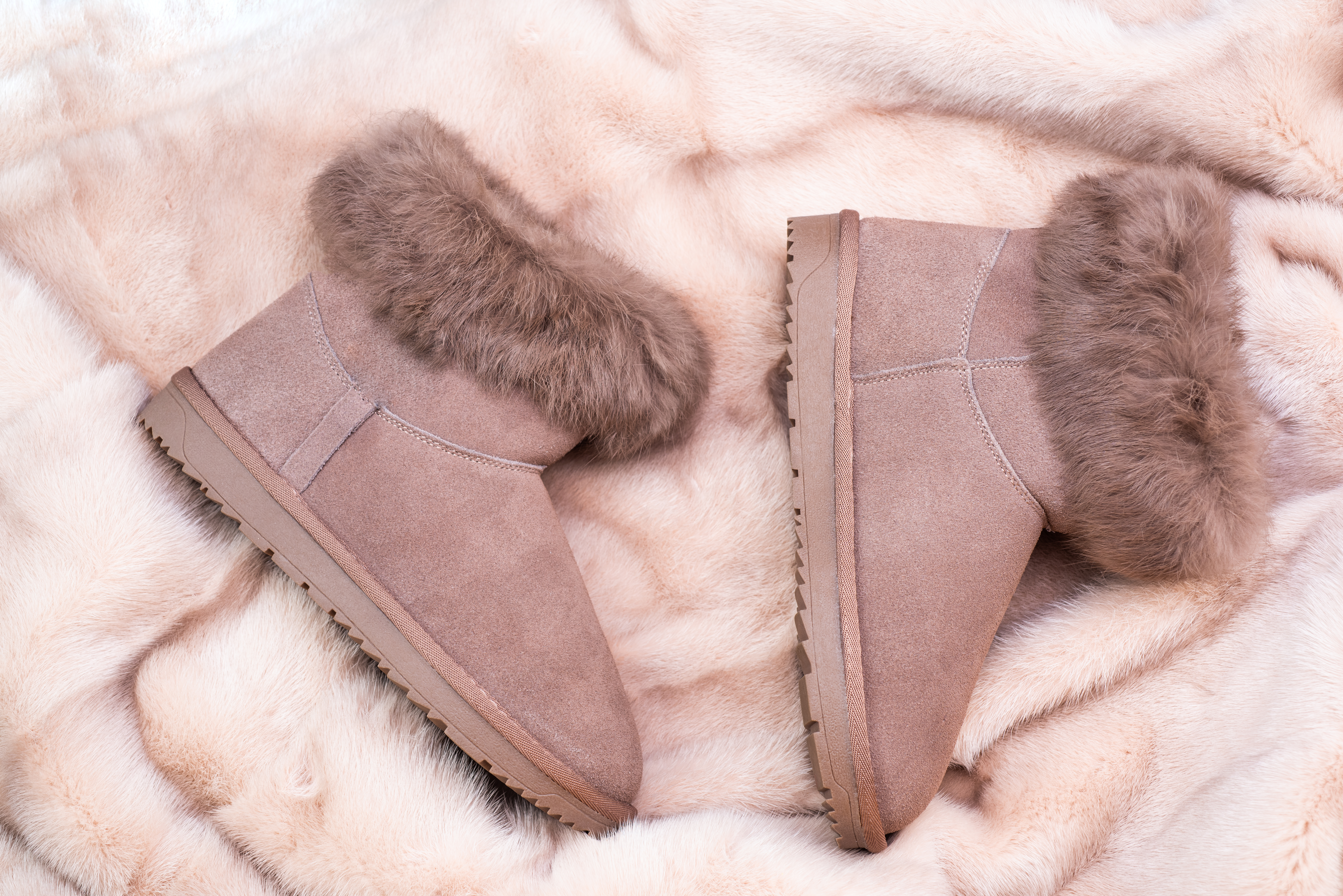
In another high profile “dupe” lawsuit, UGG sued Costco for selling imitation boots, alleging that the retailers sold slippers and shearling boots that were “confusingly similar” to UGG’s iconic Tasman design. The lawsuit focuses on UGG’s protectable trade dress, including its distinctive suede texture, raised front seam, embroidered collar, and flat outsole, features that UGG says consumers now associate with the brand.
More recently, in an unprecedented move, Lululemon registered a U.S. trademark application for ‘LULULEMON DUPE’ to capture and regulate keyword use. For more, read our article about the Lululemon Dupe trademark strategy.
The Legal Gray Zone
While a true counterfeits explicitly copy a brand’s trademarks, dupes generally only mimic the appearance, look and feel. Even without intent to deceive, dupes can cause confusion and dilute brand value. Trademark rights can be extended to designs or color schemes through trade dress protection, which is becoming one of the main tools for policing this gray area.
Trade Dress Protection and Why It’s Hard to Prove
Brands like Lululemon and UGG are increasingly asserting trade dress rights in the shapes, seams, and silhouettes that consumers instantly recognize. While proving trade dress can be challenging, especially for functional or common designs, consistent marketing, consumer surveys, and distinctive product styling can establish that “look and feel” as a protectable trademark. Proving trade dress infringement is a tough climb. To succeed under the Lanham Act, a plaintiff typically must show:
- The design or appearance of the product is distinctive, or has acquired secondary meaning.
- The design is non-functional, usually meaning that the features claimed as part of the trade dress are not essential to use or more cost-effective manufacture. This is a particular challenge for athletic apparel and shoes, because many of the features do have purposes, or are marketed publicly as serving a function.
- There is a likelihood of confusion between the plaintiff’s goods and the alleged infringer’s goods.
An example of the challenges presented for these brands is what happened to Timberland recently when they sought to register trade dress protection for its iconic boot design. A federal court of appeals said that the boots’ design features were functional and lacked distinctiveness. Although the boots are well-known, the features Timberland claimed did not show that consumers identify those features with Timberland as the only source. This example underscores the challenges presented, because Timberland boots have been around for years and are known well by consumers.
On the other hand, it’s not impossible. Louboutin, the maker of the famous “red bottom heels”, has a registered trademark for their unique soles. That means that no other brand can use the red bottom coloring on the bottom of their shoes, because it serves as legal brand recognition.
Do These Brands Have Other Protection?
Lululemon has taken multiple steps to protect its clothing and apparel lines, such as design patents and trade dress claims which strengthen its position when arguing that look-alike products infringe. The company holds many design patents (ornamental designs of garments, footwear, bags) including US design patents for garments such as pants and jackets. In the lawsuit against Costco, Lululemon asserts registered trade dress rights in certain product lines, for example its Define jackets and Scuba hoodies, claiming that Costco’s products mimic the “ornamental curvilinear lines” and overall look of such items. The lawsuit emphasises not just logo use but the visual aesthetic of popular products and points to social-media evidence as part of the recognition of the design in the public consciousness.
UGG is a strongly-recognized trademark in the U.S. and internationally. On the design side, Deckers has obtained design patents covering certain boot designs. Trade dress has proven more difficult for UGG. In a lawsuit against online shop Quince, they allege certain boots have trade dress rights, but the California Federal District Court did not agree. The court said that their boot designs were generic and failed to show distinctive source-identifying trade dress and non-functionality.
What About Copyright?
Copyright protection is much more limited in this context, but it can protect apparel with patterns and designs. If a garment feature is purely ornamental and can be separated from the functional elements, copyright might apply. With apparel and shoes, much of what’s at issue, such as cut lines, stitching features, functional panels, may be deemed utilitarian rather than purely expressive.
Lessons for Brands and Trademark Holders
Modern consumers often appreciate authenticity over exclusivity. Transparency, quality, and ethical production are becoming new status markers. In addition to innovating in both law and storytelling, brands can monitor dupe keywords, protect trade dress, evaluate PR risks, and consider strategic trademark filings. It’s important to balance enforcement with education campaigns that show consumers the value of authentic goods.
Design patents remain one of the fastest, most powerful ways to deter look-alikes. Brands such as UGG and Nike file hundreds of design patents covering their footwear and apparel aesthetics. These patents give them up to 15 years of protection.
Ultimately, legal filings alone won’t end dupe culture, but consumer good will can. Brands that champion sustainability, authenticity, and ethical production can reframe “dupes” as disposable, low-quality imitations rather than smart alternatives. In the long run, cultural leadership may be as important as IP enforcement.
Have questions about enforcing your brand? We help businesses and creatives enforce their trademarks with strategic, non-litigious solutions, from cease-and-desist letters and takedowns to full TTAB representation. Because protecting your brand shouldn’t be scary, it should be smart.
Stemer Law (Stemer, P.A.) is a Denver trademark law firm serving clients across the U.S. and abroad. With 1,000+ trademarks filed, we make brand protection simple, affordable, and effective. To speak with a trademark attorney contact us at hello@stemerlaw.com or (303) 928-1094.
FAQs About Dupe Culture and Trademark Law
Not necessarily. Dupes that avoid using a brand’s name or logo may not violate trademark law, but they can still infringe on trade dress or design patents if they copy distinctive design elements.
Yes, in limited contexts. Lululemon’s ‘LULULEMON DUPE’ application shows how a brand can register a phrase to control its commercial use, especially in advertising and e-commerce listings.
Monitor online marketplaces and social-media hashtags, file trade dress and design patents early, and consider strategic registrations for popular keyword phrases.
Because social media glorifies affordability, and dupes are seen as smart alternatives rather than fakes. Influencers often frame them as empowering — which creates both cultural and legal complexity.
© 2025 Stemer Law | stemerlaw.com | All rights reserved.
Leave a Reply